
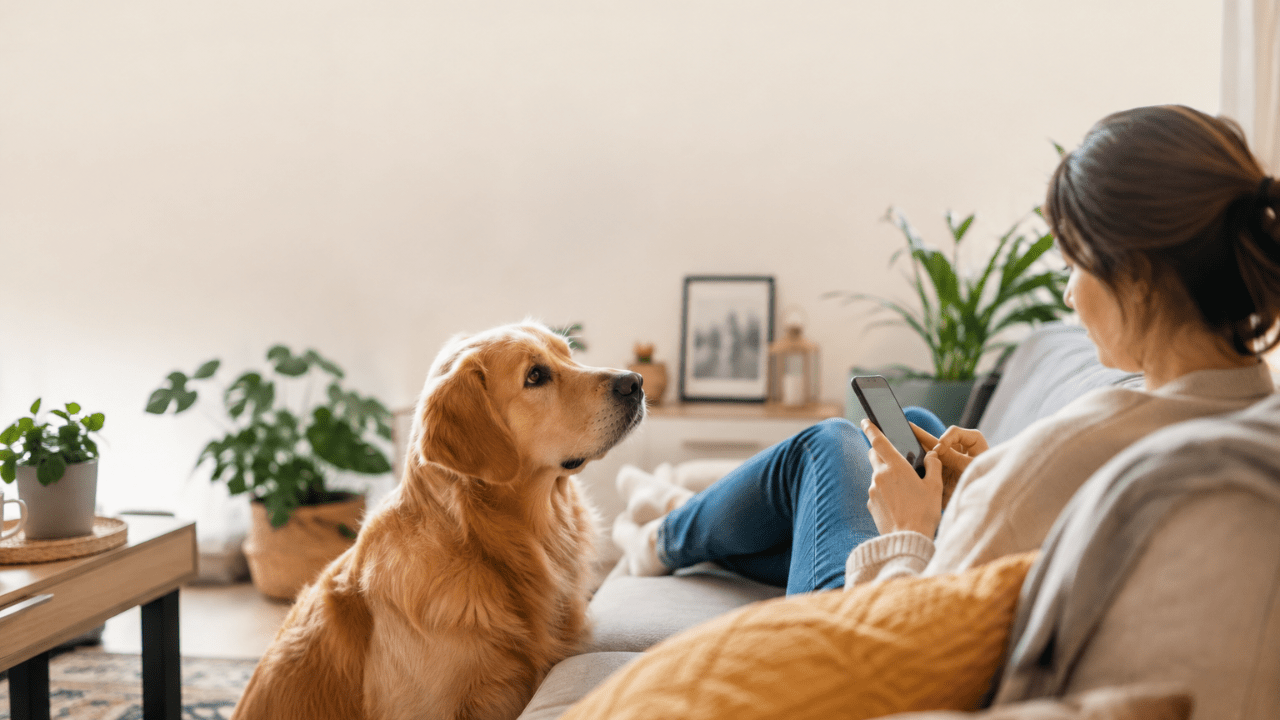
Why Does Your Dog Stare at You When You’re Doing Nothing?
Have you ever looked up from your phone, your laptop, or while simply relaxing on the couch and noticed your dog silently staring at you?
No barking.
No wagging.
No obvious reason.
Just… staring.
At first, it can feel adorable. But after a few minutes, you might start wondering, “Why is my dog staring at me?”
The truth is, dogs communicate differently than humans. Since they can’t use words, they rely heavily on body language, facial expressions, eye contact, posture, and routines to express what they’re thinking and feeling.
In many cases, your dog isn’t being strange at all—they’re simply trying to communicate with you.
In this guide, we’ll explore the most common reasons dogs stare at their owners, explain what different types of stares mean, discuss when staring is completely normal, and identify situations where it could signal a health or behavioral issue.
By the end of this article, you’ll understand exactly what your furry friend may be trying to tell you.
Dogs Communicate Through Eye Contact
Humans talk.
Dogs watch.
Eye contact is one of the strongest communication tools dogs have.
Unlike wolves, domesticated dogs have evolved alongside humans for thousands of years. During that time, they learned that watching people helps them understand what’s happening.
When your dog stares at you, they may be trying to figure out:
- Are we going outside?
- Is dinner coming?
- Are you leaving?
- Are we going to play?
- Are you upset?
- Should I follow you?
Research has shown that dogs are remarkably skilled at interpreting human facial expressions and gestures. They often notice small changes in your posture, voice, or routine long before another person would.
Instead of guessing, they simply watch you.
They’re Waiting for Something
Dogs thrive on routines.
If your daily schedule usually looks like this:
- Wake up
- Walk
- Breakfast
- Nap
- Playtime
- Dinner
Your dog quickly memorizes it.
So when you’re sitting qui
etly, they may stare because they’re waiting for the next event.
For example:
You normally feed them at 6:00 PM.
At 5:55 PM…
They’re already watching you.
Not because they’re confused.
Because they know what’s coming.
Dogs have an impressive internal sense of time and often anticipate regular activities before they happen.
If your dog begins staring around the same time every day, they’re probably expecting one of these:
- Dinner
- Walk
- Bedtime
- Playtime
- Treats
- Car ride
Your Dog Wants Your Attention
Sometimes the answer is surprisingly simple.
Your dog wants you.
Dogs are social animals that enjoy spending time with their families.
If you’ve been working for hours or scrolling on your phone, your dog may quietly stare at you hoping you’ll notice them.
Unlike barking or whining, staring is a polite way of asking for interaction.
Your dog might be saying:
- Pet me.
- Play with me.
- Talk to me.
- Throw my toy.
- Let’s go outside.
Signs They Want Attention
Watch for these behaviors alongside staring:
- Tail wagging
- Bringing a toy
- Pawing your leg
- Leaning against you
- Following you around
- Sitting directly in front of you
If you respond with affection or play, your dog quickly learns that staring works.
Over time, it becomes one of their favorite ways to communicate.
They’re Reading Your Body Language
Dogs are experts at reading humans.
Studies suggest dogs can understand many human gestures, emotions, and facial expressions.
Your dog watches:
- Your hands
- Your face
- Your shoulders
- Your walking direction
- Your voice
- Your posture
For example:
If you reach toward your shoes…
Your dog may instantly get excited.
Why?
Because shoes often mean a walk.
If you grab your keys…
They may think you’re leaving.
If you stand up from the couch…
They’ll likely watch carefully to see where you’re going.
This constant observation helps dogs predict what’s about to happen.
They’re Hoping You’ll Share Food
Dogs rarely miss an opportunity for snacks.
Even if you’re not currently eating, your dog may stare because they’ve learned that sitting quietly often leads to treats.
Think about these situations:
- You’re cooking.
- You’re near the refrigerator.
- You’re sitting at the dining table.
- You’re holding a coffee mug.
Even if there’s no food in sight, your dog may associate these locations with previous rewards.
This is called learned behavior.
Every time you’ve accidentally dropped food—or intentionally shared a bite—your dog remembered.
Now they patiently wait.
Should You Reward This Behavior?
Occasional treats are fine.
However, constantly rewarding staring with food can encourage begging.
Instead:
- Reward calm behavior away from the table.
- Feed your dog before family meals.
- Use puzzle feeders during dinner.
- Teach a “place” command.
This creates healthier habits for both you and your dog.
They Love You
One of the sweetest reasons your dog stares at you is because they genuinely enjoy your company.
Research has shown that when dogs and their owners share gentle eye contact, both experience an increase in oxytocin, often called the “love hormone.”
This is the same hormone that strengthens the bond between parents and babies.
When your relaxed dog gazes at you with soft eyes, loose ears, and a calm body, they’re often expressing trust and affection rather than asking for anything.
Signs of a loving stare include:
- Relaxed body posture
- Soft blinking
- Gentle tail wagging
- Leaning against you
- Slow, calm breathing
It’s one of the many ways dogs build and maintain strong emotional connections with their favorite humans.
Is Your Dog Feeling Anxious?
Not every stare means your dog wants food or affection.
Sometimes, prolonged staring can be a sign of stress or anxiety.
Dogs often look to their owners for reassurance when they’re feeling uncertain or frightened. Since you’re their source of safety, maintaining eye contact may help them feel more secure.
Common Causes of Anxiety
Your dog may stare more than usual if they’re experiencing:
- Loud thunderstorms
- Fireworks
- New visitors in the house
- Moving to a new home
- Changes in daily routine
- Separation anxiety
- Another pet entering the family
Other Signs of Anxiety
If your dog’s staring is related to stress, you may also notice:
-
- Panting without exercise
- Trembling
- Pacing
- Lip licking
- Yawning repeatedly
- Tucked tail
- Pinned-back ears
- Hiding
- Excessive shedding
- Refusing food
What You Can Do
Help your dog feel safe by:
- Speaking in a calm, reassuring voice.
- Providing a quiet, comfortable space.
- Keeping a predictable daily routine.
- Offering enrichment toys or puzzle feeders.
- Avoiding punishment, which can increase fear.
If anxiety becomes severe or frequent, consult your veterinarian or a certified dog behavior professional.
They’re Trying to Understand Your Emotions
Dogs are remarkably good at reading human emotions.
Studies have found that dogs can distinguish between happy, angry, sad, and neutral facial expressions. They also pay attention to changes in your voice and body language.
If you’ve had a stressful day and are sitting quietly, your dog may stare because they’re trying to understand how you’re feeling.
Some dogs may even respond by:
- Resting their head on your lap
- Leaning against you
- Sitting quietly nearby
- Bringing you a favorite toy
- Licking your hand
This behavior is one of the reasons dogs are widely used as therapy and emotional support animals.
They May Be Waiting for Your Next Move
Dogs are excellent observers.
They constantly gather clues from your daily habits.
For example:
- Putting on sneakers usually means a walk.
- Picking up car keys often means you’re leaving.
- Opening a kitchen cabinet may signal mealtime.
- Reaching for the leash almost always means adventure.
Your dog watches because they want to be ready.
This behavior is especially common in intelligent breeds that thrive on routine and enjoy participating in family activities.
Your Dog Has Learned That Staring Works
Dogs quickly learn which behaviors get results.
If your dog has ever stared at you and received:
- A treat
- Belly rubs
- A walk
- A toy
- Attention
they’ve learned that staring is effective.
This is called positive reinforcement.
Even unintentionally, many owners reward staring simply by making eye contact, talking to their dog, or giving them what they want.
Should You Ignore It?
That depends on why your dog is staring.
If they’re asking politely for attention occasionally, there’s usually no problem.
However, if they’re demanding food constantly during meals, it’s better to redirect them to another activity rather than rewarding begging.
Could Your Dog Be Bored?
When Should You Be Concerned About Your Dog’s Staring?
Most of the time, staring is a completely normal part of canine communication. However, there are situations where it could indicate a medical or behavioral issue that requires attention.
Contact your veterinarian if your dog:
- Suddenly starts staring much more than usual.
- Appears confused or disoriented.
- Doesn’t respond when you call their name.
- Stares at walls or empty spaces frequently.
- Experiences staring episodes followed by shaking or twitching.
- Shows changes in appetite or drinking habits.
- Has trouble walking or maintaining balance.
- Displays other unusual behaviors alongside prolonged staring.
Early diagnosis can make a significant difference if the cause is neurological, age-related, or related to vision loss.
How Should You Respond When Your Dog Stares at You?
The best response depends on why your dog is staring.
If They’re Asking for Attention
Spend a few minutes interacting with them:
- Play fetch.
- Go for a short walk.
- Practice basic commands.
- Offer gentle affection.
Positive interaction strengthens your bond while meeting your dog’s emotional needs.
If They’re Waiting for Food
Avoid rewarding persistent begging.
Instead:
- Feed your dog on a consistent schedule.
- Teach a “Place” or “Bed” command during family meals.
- Use food puzzle toys to keep them occupied.
Consistency helps prevent unwanted habits.
If They’re Looking for Direction
Sometimes your dog simply wants guidance.
Ask yourself:
- Do they need a potty break?
- Is it close to their walk time?
- Have they had enough exercise today?
- Are they bored?
Meeting these basic needs often resolves the staring quickly.
If They’re Showing Signs of Stress
Remain calm and reassuring.
Avoid yelling or forcing interaction.
Instead:
- Speak softly.
- Give them space if needed.
- Remove the source of stress when possible.
- Maintain a predictable routine.
If anxiety becomes frequent, consult a veterinarian or certified dog trainer.
Common Myths About Dogs Staring
Many misconceptions surround dog behavior. Let’s separate fact from fiction.
Myth 1: Dogs Stare to Challenge You
Reality:
Most dogs aren’t trying to dominate their owners. They’re communicating, seeking attention, or waiting for cues.
Myth 2: Eye Contact Is Always Aggressive
Reality:
Soft, relaxed eye contact often indicates trust and affection. However, a hard stare accompanied by a stiff body may signal discomfort or fear.
Myth 3: Dogs Know Exactly What You’re Thinking
Reality:
Dogs don’t read minds—but they’re exceptionally good at interpreting facial expressions, tone of voice, body language, and routines.
Myth 4: Staring Always Means Hunger
Reality:
While food is a common reason, dogs also stare because they:
- Love you.
- Feel curious.
- Need reassurance.
- Want to play.
- Are anticipating your next move.
Tips to Strengthen Communication with Your Dog
Understanding your dog’s signals leads to a happier relationship.
Here are a few practical tips:
- Maintain a consistent daily routine.
- Use positive reinforcement during training.
- Learn to read body language as a whole—not just eye contact.
- Provide regular physical exercise.
- Offer mental enrichment with puzzle toys and training games.
- Schedule routine veterinary checkups.
- Spend quality one-on-one time together every day.
Dogs communicate constantly—you simply become better at understanding them with practice.
Frequently Asked Questions (FAQ)
Why does my dog stare at me without blinking?
A relaxed, unblinking stare usually means your dog is focused on you or waiting for something. If the stare is accompanied by stiffness, fear, or unresponsiveness, consult your veterinarian.
Why does my dog stare at me while I’m sleeping?
Dogs often check on their owners because they feel protective, curious, or are waiting for you to wake up. Puppies and highly bonded dogs commonly do this.
Why does my dog stare at me before bedtime?
Many dogs associate bedtime with a routine, such as a final walk, a treat, or cuddling. They’re likely anticipating the next step in their evening schedule.
Why does my dog stare while wagging its tail?
This combination usually indicates excitement, happiness, or anticipation.
Your dog may want attention, playtime, or affection.
Is it okay to stare back at my dog?
Gentle eye contact is generally fine and can strengthen your bond. However, avoid prolonged, intense staring with unfamiliar dogs, as some may perceive it as threatening.
Why does my senior dog suddenly stare into space?
Occasional staring can occur with aging, but frequent episodes may indicate vision problems, cognitive dysfunction, or another medical condition. Schedule a veterinary examination if the behavior is new or concerning.
Final Thoughts
So, why does your dog stare at you when you’re doing nothing?
In most cases, the answer is simple: your dog is communicating.
They may be waiting for dinner, hoping for a walk, seeking attention, reading your body language, expressing affection, or looking to you for reassurance.
The key is to consider the context. A relaxed body, soft eyes, and a wagging tail usually point to positive emotions. On the other hand, sudden changes in behavior, confusion, or unresponsiveness deserve prompt veterinary attention.
By paying attention to your dog’s body language, daily routine, and overall health, you’ll become much better at understanding what those silent stares really mean. Strong communication builds trust, reduces frustration, and strengthens the lifelong bond you share with your canine companion.
Internal Linking Suggestions (Doggy World)
Understanding Dog Anxiety Symptoms: How to Recognize and Manage Your Dog’s Stress
Best Durable Dog Toys for Aggressive Chewers in 2026
How to Stop Dog Barking: Best Tips to Soothe Your Pet
External Authority Sources
Reference trusted organizations to improve E-E-A-T:
- American Kennel Club (AKC)
- American Veterinary Medical Association (AVMA)
- VCA Animal Hospitals
- Cornell University College of Veterinary Medicine
- Merck Veterinary Manual